
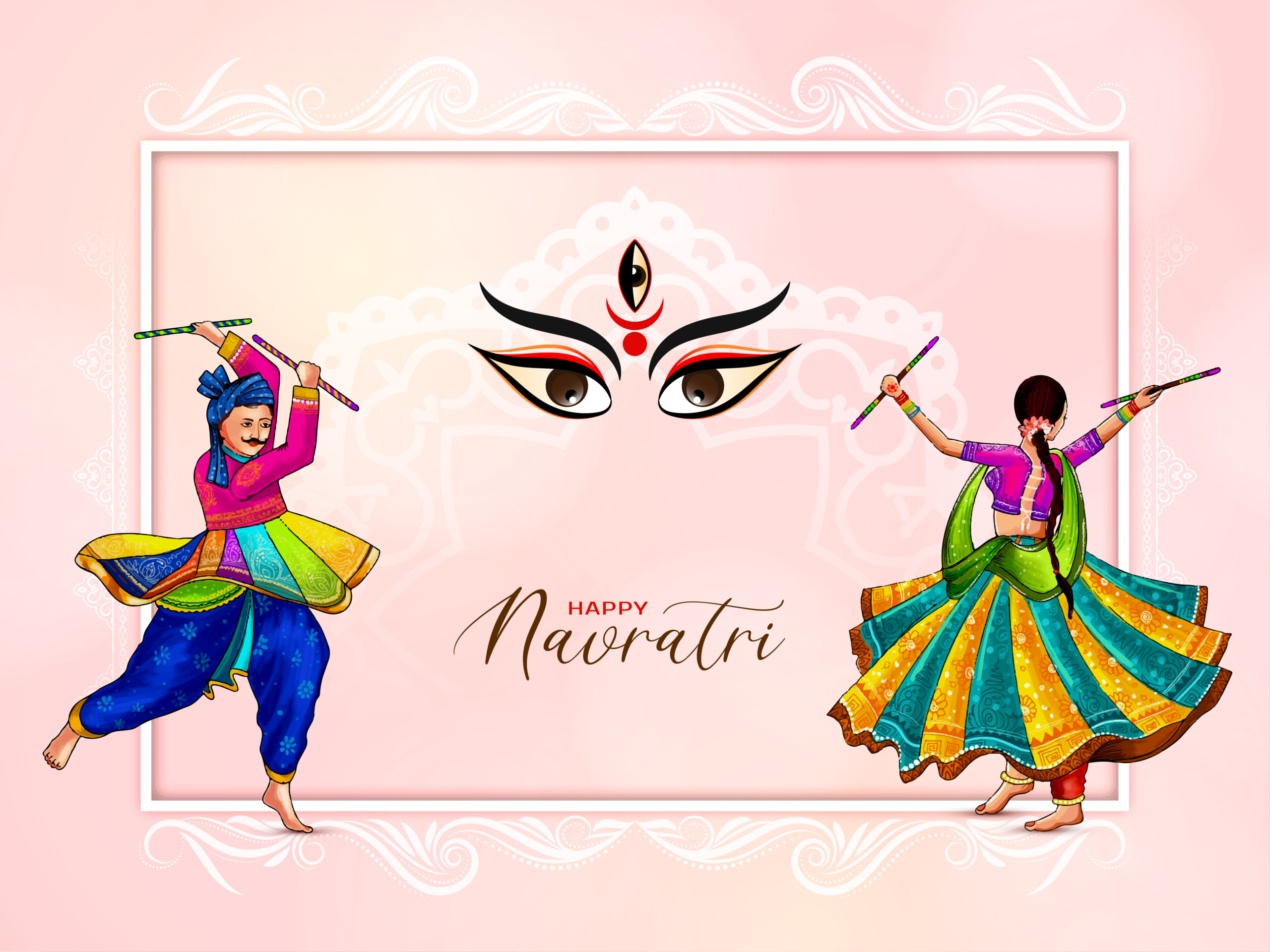
Navaratri has always been one of my favorite times of the year. The whole atmosphere is charged with a festive energy, there is a feeling of women energy, vibrant colourful costumes, jingling bangles and anklets, an overall camaraderie that reverberates throughout the neighbourhood that one gets swept up in by just being there. My apartment also usually buzzes with excitement during these nine days – my next-door neighbors, Kalpana Aunty, always go all out with decorations, while Vinuta Didi hosts the most energetic garba nights in the lawn area.
But 2 years back, something hit me. As we wrapped up the celebrations, the aftermath wasn’t just the usual tired feet from all the dancing or the echo of drum beats in my head. It was the piles of trash, much of it plastic, strewn around after the revelry. Plastic cups, plates, decorations, wrappers, it was everywhere. The scene left a deep indelible mark on my head even in the midst of all the fatigue that day. I resolved silently to do something about this or atleast give it a thought.
I wasn’t alone in this – Vinuta Di and Kalpana Aunty shared the same thought. They too have been feeling the same guilt for some time. As Kalpana Aunty succinctly put it “You know,” she said one morning, “we really need to cut down on all this plastic waste. It’s a festival to honor the goddess, and here we are, harming the earth she gave us.”
That was our lightbulb moment. And that’s how our little mission to reduce plastic waste during Navaratri began last year.
 Switching to Natural Decorations
It all started with the decorations. Last year I was about to buy plastic streamers for the front of my house when I remembered Kalpana Aunty’s words. I went over to her place that afternoon, and she was already in action, stringing together marigold flowers and banana leaves. She had even upcycled old saree fabric into colorful banners!
Inspired, I followed suit. Instead of synthetic streamers, I tied together some fresh flowers from the garden with twine, creating beautiful garlands. The best part? After the festival, the flowers would simply decompose in my compost pile, leaving no waste behind.
Aunty even got creative with her decor, using old glass jars filled with fairy lights. It gave her house a magical glow at night, and we didn’t have to throw away a single piece of plastic.
Green Dandiya
A few days into Navaratri, my kids came running to me.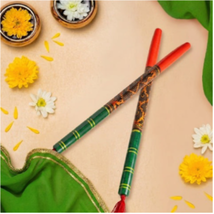 “Mom, we need dandiya sticks for garba night!” I froze for a second because the ones we’d bought last year were plastic, covered in ribbons and glitter. They’d broken after just a few uses and ended up in the trash.
I decided to ask Vinuta Di what she was doing about her sticks. She’s always the first one to organize dandiya night, so I figured she might have some ideas. When I popped over, she smiled and said, “Oh, I’ve gone back to wooden sticks. The ones I bought years ago are still in perfect shape. I just re-wrap them with fabric scraps each year to give them a fresh look.”
That seemed like a no-brainer. I picked up a couple of wooden sticks from the local market, and my kids and I spent an evening decorating them with leftover ribbons and threads. They turned out gorgeous and sturdy, and I didn’t feel guilty about throwing them away after just one use.
Plastic-free Gifting and Prasadam Packaging
Now, Kalpana Aunty and I are part of a small women’s group that shares gifts and prasadam during Navaratri. Every year, we used to pack these in plastic containers or bags. This time, we all agreed we’d go plastic-free.
Aunty suggested, “Why not make it a little more personal? I’m going to bake some sweets and pack them in small glass jars.” That idea took off like wildfire. Everyone in our group jumped on board, and soon we were swapping homemade goodies in glass jars and fabric pouches.
We also decided to distribute prasadam in banana leaf packets, just like how it’s done in villages. Not only did it feel more traditional, but it also cut out the plastic waste completely. Plus, the banana leaves could just be composted or fed to cows afterward!
The kumkumhaldi plastic distributables were made eco-friendly by opting for paper packets made at home, a simple wrap or beautifully made tiny envelopes. This was a major eye-opener since when I opened my puja shelf I realised how many such plastic betel leaves with tiny plastic dabbas of haldi and Kumkum had accumulated over the years. So much of plastic – Sigh! Anyways it was time for a new change. This movement would inspire many others no doubt.
Green Community Dinners Sans the Plastic Plates
The biggest challenge came when we hosted the community garba and dinner.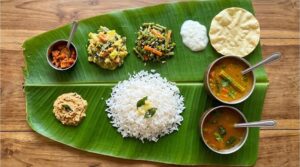 Vinuta Di came over to discuss logistics one evening and asked, “How are we going to manage without disposable plates and cups? People are used to the convenience of just tossing them away.”
That got me thinking. I proposed, “Why don’t we ask everyone to bring their own plates and cups? It might sound odd at first, but it’ll make a big difference.” Didi looked skeptical but agreed to give it a try. We announced the plan at the next community meeting, and to our surprise, everyone was open to the idea.
That night, people showed up with their own utensils, and it worked out perfectly. The extra food were distributed to the needy in banana leaves packets or donnais made of dry leaves! Not only did we cut down on plastic waste, but it also made cleanup a breeze.
Idol Immersions
One evening, as I was taking a stroll with Meera Aunty, we started talking about the idol immersion ceremony, not just for Navaratri but for other 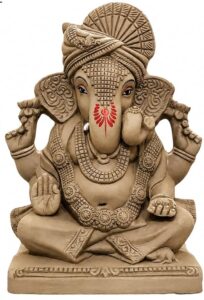 festivals like Ganesh Chathurthi etc. “You know,” she said thoughtfully, “the idols we use are often painted with harmful chemicals. And we’re just dumping them into our rivers.” These chemicals from the synthetic bright paints tend to harm aquatic life. It was time to switch to clay idols, painted with natural colors. In small communities like ours we agreed to do a small, symbolic immersion in buckets of water at home, which we would later use to water our plants.
The change had begun
As Navaratri came to a close last year, the street still buzzed with excitement, but something felt different. There was no plastic littered in the corners, no piles of waste to deal with. The festival had been just as colorful, just as energetic, but with a conscious effort to keep it eco-friendly.
Kalpana Aunty came by to return a bowl I had lent her during one of the many community dinners. “You know,” she said, grinning, “this was the best Navaratri we’ve ever had. I didn’t realize how much we could change with just a little effort.” She was right. Our celebrations felt fuller, richer, and somehow more meaningful because we were mindful of the planet. It wasn’t about giving up traditions; it was about honoring them in a way that also respected the world we live in. Looking forward to continuing the change this year as well.
Hope you get inspired by atleast one of these ideas and do your mite in enjoying festivals without damaging our Mother Nature.
Happy Navaratri.